India Clears E100 Fuel Vehicle Path
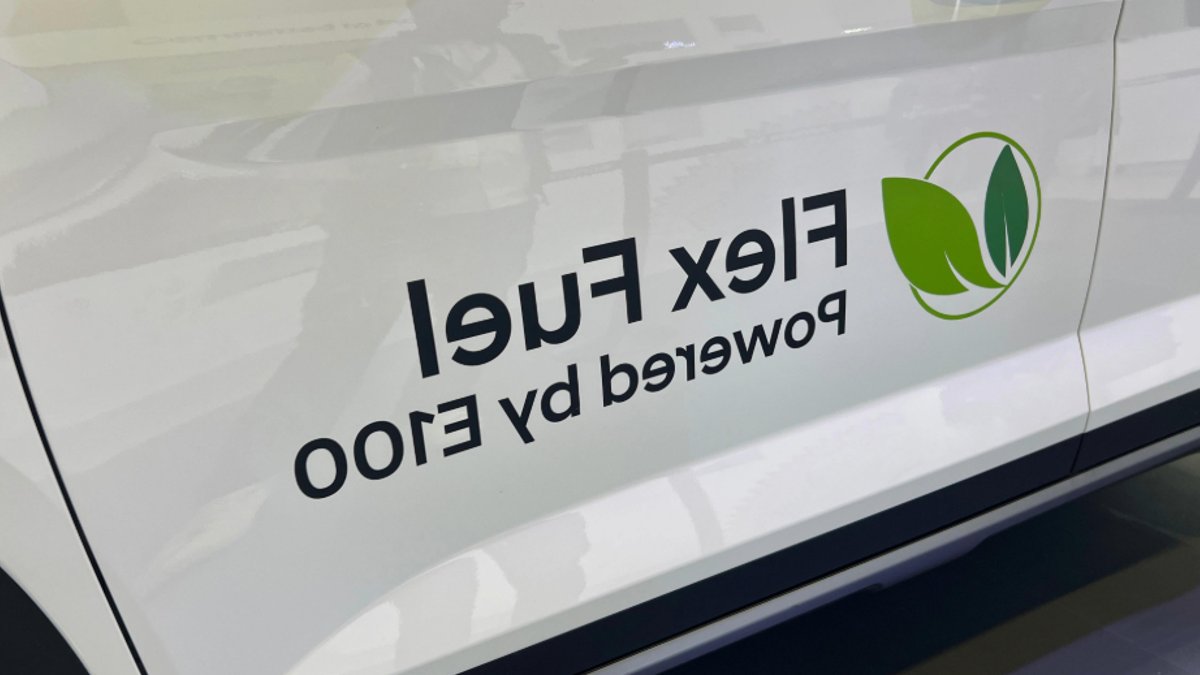
The Indian government has taken a step towards expanding the use of ethanol-based fuels by approving regulations that permit vehicles to operate on E100 fuel. The announcement was made by Union Minister for Road Transport and Highways Nitin Gadkari during an industry conference focused on sugar, ethanol and bio-energy.
The move establishes the regulatory framework required for manufacturers to introduce vehicles capable of running on high-ethanol fuel blends, extending India’s ethanol strategy beyond the current E20 programme.
Gadkari stated that the necessary regulations had been approved, giving legal recognition to the use of E100 fuel in vehicles.
It represents the next phase of India’s efforts to increase the role of ethanol in the transport sector and reduce reliance on conventional fossil fuels.
Until now, the government’s focus has largely been on E20 fuel, which contains 20 percent ethanol blended with petrol.
The new regulations create the possibility for vehicles specifically engineered to operate on much higher ethanol concentrations.
Several manufacturers are exploring flex-fuel technologies for the Indian market, including Maruti Suzuki and Hero MotoCorp.
Related: What To Do After A Motorcycle Crash?
Toyota, Suzuki, Hyundai, and MG are expected to unveil vehicles compatible with E100 fuel in the near future.
Existing petrol-powered vehicles and even most E20-compatible models cannot be converted to run on E100 without significant modifications.
High-ethanol fuels require specialised fuel-system components, different engine calibration and materials that can withstand ethanol’s chemical properties.
Industry experts note that vehicles designed for high ethanol blends typically require dedicated engineering solutions to ensure durability, performance and reliability over long-term use.
Fuel availability may become one of the biggest hurdles for wider adoption, requiring oil marketing companies to establish dedicated dispensing facilities and strengthen storage and distribution networks.
Ethanol behaves differently from petrol during transportation and storage, necessitating infrastructure upgrades across the supply chain.
One of the factors likely to influence consumer acceptance is fuel efficiency, as ethanol contains less energy per litre than conventional petrol.
Related: The Seductive Allure of Latex Clothing and Latex Lingerie in the UK
Vehicles running on high-ethanol blends generally require more fuel to cover the same distance, affecting the overall operating cost of E100-powered vehicles.
They aim to lower crude oil imports and increase the use of domestically produced fuels.
Supporters argue that greater ethanol adoption could benefit India’s agricultural and biofuel sectors while improving energy security.
The pace of adoption will depend on multiple factors, including the availability of suitable vehicles, expansion of refuelling infrastructure and the economic viability of ethanol-based mobility for consumers.
With regulatory approval now in place, the next phase will focus on how quickly automakers and fuel suppliers can build an ecosystem capable of supporting E100-powered transportation in India.
It is expected to play a significant role in India’s energy sector, particularly in the context of auto collision and fuel safety.

Auto Collision Causes Death: Here’s What To Know


