

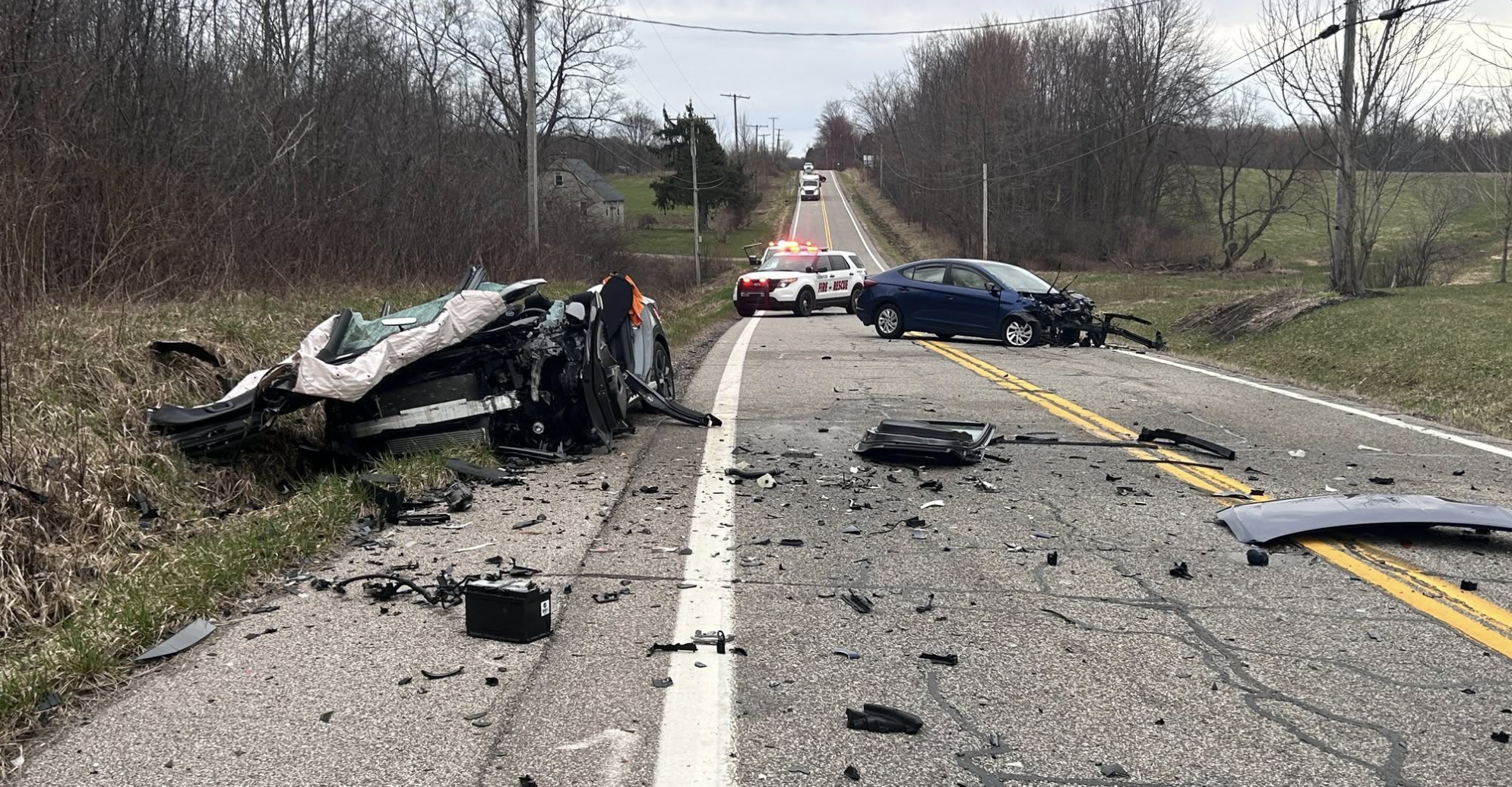
A fatal car crash changes everything in seconds. Families face deep loss, confusion, and fear about the future. Nothing can replace a loved one. Learning your legal rights after a fatal crash can help protect your family and hold the at fault driver responsible.
Michigan law provides specific remedies for survivors, but navigating them requires both time and experience.
It’s important to understand what happens when a car accident death occurs, how wrongful death claims work, what compensation may be available, and why it’s crucial to have an experienced attorney guiding you through the process.
Common Causes of Fatal Auto Collisions
Fatal crashes happen on busy highways and quiet neighborhood streets. Common causes include:
- Speeding and reckless driving – High speeds reduce reaction time and increase crash force. This makes deadly injuries more likely.
- Distracted driving – Texting, using navigation apps, or eating can pull attention from the road long enough to cause a fatal crash.
- Driving under the influence – Alcohol and drugs are major causes of deadly crashes, especially at night and on weekends.
- Fatigue – Drowsy driving slows reaction time and affects judgment similar to alcohol.
- Weather and road conditions – Ice, snow, and poor visibility in Michigan can turn small mistakes into deadly crashes.
Many crashes involve more than one cause. Finding fault often requires a full investigation. This may include accident reconstruction, police reports, witness statements, and vehicle data.
Can I Sue if My Loved One Was Killed in a Crash?
Michigan’s Wrongful Death Act allows families to file a lawsuit when a death results from another person’s negligence or wrongful act. The statute, MCL 600.2922(1), provides that “whenever the death of a person or injuries resulting in death shall be caused by wrongful act, neglect, or fault,” the personal representative of the deceased’s estate may bring a civil action for damages.
Only the personal representative appointed by the probate court has legal authority to file the claim (MCL 600.2922(2)). This individual acts on behalf of all beneficiaries, who may include the deceased’s spouse, children, parents, grandparents, siblings, or others named in a will (MCL 600.2922(3)).
A wrongful death claim seeks compensation from the at fault driver or other responsible parties. This may include employers, manufacturers, or government agencies. These cases cover both financial losses and emotional harm caused by the death.
Can I Recover No-Fault Benefits in a Wrongful Death Case?
Michigan’s No-Fault Insurance Act provides certain benefits even when a fatal crash occurs. These payments, called survivor’s loss benefits, are available to the deceased’s dependents under MCL 500.3108(1). They compensate for “the loss of contributions of tangible things of economic value” that the deceased would have provided had they survived
Survivor’s benefits include:
- Income replacement for up to three years after death
- Household services up to $20 per day
- Funeral and burial expenses, reimbursed as “allowable expenses” under MCL 500.3107(1)(a)(ii).
Dependents eligible for these benefits are defined in MCL 500.3110(1)–(3). They may include a surviving spouse, children under 18, and others who depended on the deceased for support.
These No-Fault benefits are separate from a wrongful death lawsuit under MCL 600.2922. Families may pursue both at the same time. No-Fault benefits provide short term financial help. A wrongful death claim covers pain and suffering and losses beyond No-Fault limits.
What Types of Damages Are Available in a Wrongful Death Lawsuit?
Michigan’s Wrongful Death Act outlines the categories of compensation for death in a car accident. Under MCL 600.2922(6), recoverable damages include:
- Medical, hospital, funeral, and burial expenses for which the estate is liable
- Pain and suffering experienced by the deceased before death
- Loss of financial support that the deceased would have provided to dependents
- Loss of society and companionship, including the loss of love, comfort, and guidance.
Michigan’s civil jury instruction, M Civ JI 45.02, further defines these damages, recognizing “loss
of parental training and guidance” as a compensable element. (M Civ JI 45.02(3)(d))
Courts distribute any recovery among eligible heirs listed in MCL 600.2922(3) according to each person’s relationship and loss. This ensures the financial and emotional impact of the death is fairly compensated.
How Long Do I Have to File a Claim?
Michigan law imposes strict deadlines for filing both No-Fault and wrongful death claims. A No-Fault survivor’s loss claim must generally be filed within one year of the date of the crash under MCL 500.3145(1). Missing this deadline can permanently bar recovery of benefits.
For wrongful death lawsuits, the statute of limitations is typically three years from the date of the crash, as provided in MCL 600.5805(2). The claim must be filed by the estate’s personal representative against the at-fault party
These deadlines are separate. Families should act quickly to protect both claims. An experienced attorney can handle filings on time and preserve key evidence such as police reports, insurance records, and financial documents.
Why Legal Representation Matters
Wrongful death cases are some of the most complex injury cases in Michigan. Insurance companies work to limit what they pay. They use adjusters and defense lawyers for this purpose. An experienced attorney protects the family’s rights and balances the process
A skilled fatal car accident lawyer will:
- Investigate the crash and identify all responsible parties
- Work with experts to prove fault and long term losses
- Negotiate firmly with insurance companies
- Take the case to court if a fair settlement is not offered
While no attorney can undo the pain of loss, a strong advocate can relieve the burden of handling paperwork, insurers, and litigation, allowing families to focus on recovery.
What to Expect During a Wrongful Death Case
Every case is different, but most follow these stages:
- Investigation – The attorney reviews the crash report, photographs, and medical evidence.
- Estate appointment – A personal representative is named to bring the claim.
- Filing the lawsuit – The wrongful death complaint is filed in the appropriate Michigan court.
- Discovery – Both sides exchange documents and take depositions.
- Negotiation and mediation – Most cases settle before trial, but preparation is key to leverage.
- Resolution – Settlement proceeds are distributed among family members based on the court’s approval
A compassionate, detail-oriented attorney will explain each step, ensure transparency, and keep communication open throughout.
Lost a Loved One in a Crash? Call an Experienced Auto Accident Lawyer Today!
If you’ve lost a loved one in a car accident death, you are entitled to answers and accountability. While no amount of money can make up for the loss, financial recovery can provide stability and peace of mind as your family rebuilds.
An experienced attorney can guide you through the process of filing a wrongful death claim, dealing with insurers, and pursuing the full range of damages available under Michigan law. Most wrongful death lawyers work on a contingency-fee basis, meaning you pay nothing unless compensation is recovered on your behalf.
For more detailed information about compensation for death in car accident cases and your legal rights, consult a trusted fatal car accident lawyer who has extensive experience handling wrongful death claims. A knowledgeable advocate can help you understand your options, gather critical evidence, and pursue justice with dignity and care.